About Therapy with Me
Therapy That Goes Beyond Managing Symptoms
Most people come to therapy wanting relief from the flood: the intrusive memories, the disconnection, the sense that who they used to be has gone somewhere they can’t reach.
What they don’t expect is that recovery is actually possible.
Not management.
Not coping strategies bolted onto a life that still doesn’t feel like theirs.
Real recovery – at the neurological, physiological, and personal level.
CPT: A Structure That Changes What Happens Between Sessions
The modality at the center of this practice is Cognitive Processing Therapy, and it works differently than most people expect.
CPT does not require you to relive what happened.
Instead, it gives you what I call bird’s-eye data collecting mode: observing what’s there, collecting data, understanding what your mind has been doing with what happened to you.
The structure is concrete. It unfolds over eleven sessions, with the first five focused on teaching you exactly what to do between appointments. Progress isn’t confined to the hour in the room with me.
Most people who come in with panic and acute distress begin interrupting those cycles within five to seven sessions.
Built for People Who Carry More Than Most
A significant portion of the people I work with are first responders: ER physicians, ICU nurses, helicopter nurses, police, fire. People whose professional lives have stacked environmental trauma on top of whatever they carried in.
My published research traced this directly.
A 300-page study found that roughly half of first responders carried childhood developmental trauma alongside the occupational weight.
The two compound. Therapy has to address both.
For those whose trauma has roots in childhood, the picture is often complex: abuse, neglect, chronic nonacceptance, relationships that rewired how safety feels. CPT was designed for this, too.
What Recovery Looks Like
One of my clients said it better than I can:
“I didn’t know that I could recover. Or that I could be better. Or that life could be better.”
That sentence stays with me because it names exactly what most people don’t believe when they first arrive.
We are not running you across the coals of suffering to get there.
The work is real, and we roll our sleeves up together. But the destination is genuine: a life that belongs to you again, at a level that is neurological, physiological, and personal.
After 30 years in this field, I hold that as something more than optimism. We can get better.
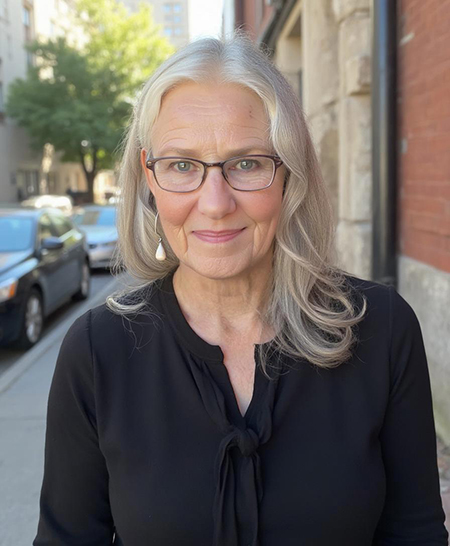
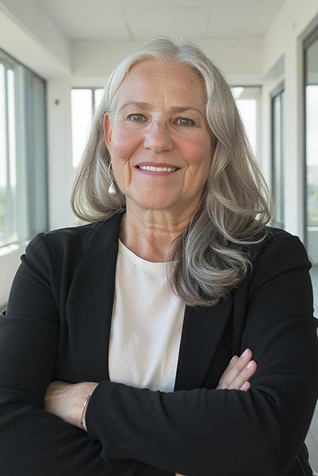
About Lorraine Crockford, PhD, LMFT
I want to welcome you to my psychotherapy practice.
I began providing therapy in 1996 beginning in internships and then moving to hospital settings, nonprofit agencies and private practice.
I chose to focus my doctorate on the process of humanistic recovery from traumatic experience and combine a unique perspective on the multiple realities of recovery educating from the neurological, the physiological, and our life identities in navigating a way to thrive in life.
I welcome the opportunity to work with you toward healing beyond managing the day-to-day intrusions that can haunt us post a traumatic incident, trauma-grief or long term complex developmental trauma of childhood and the ongoing effects of abusive toxic attachments.
Ready to Find Out What’s Possible?
The best first step is to reach out for a free consultation.
We’ll schedule a time to meet and discuss what’s leading you to seek therapy. You’ll also have the chance to ask any questions you have about therapy or how I work.
Reach out through my Psychology Today listing or contact me directly at: Lcphd@hushmail.com.